Home
Home HSFUJI
  Nov 24,2025
How Much Does Home Elevator Maintenance Cost?
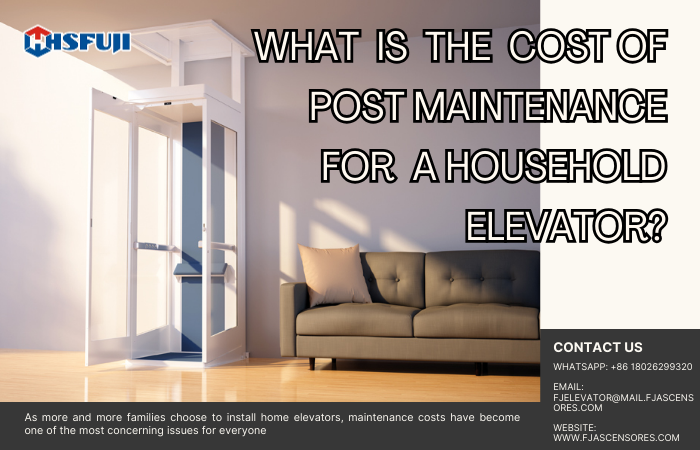
As more families choose to install home elevators, maintenance costs have become a major concern. After all, a home elevator must remain safe, stable, and reliable for many years. Understanding long-term maintenance expenses is an essential part of planning your overall budget.
1. What Does Home Elevator Maintenance Include?
Typically, home elevator maintenance costs consist of the following components:
Routine servicing: lubrication, cleaning, and inspection of the elevator control system.
Safety component checks: door operator system, overspeed governor, safety gear, and other key safety parts.
Electrical system inspection: control cabinet, cabin lighting, wiring, and communication systems.
Operational testing: ensuring smooth door operation and accurate leveling on every floor.
These tasks directly impact home elevator safety and are crucial for long-term stable performance.
2. How Much Does Home Elevator Maintenance Usually Cost?
Maintenance costs vary depending on the brand, model, and configuration of the home elevator system, but overall, the cost is relatively low.
Most home elevators only require routine servicing every six months, and the price is significantly lower than commercial elevator maintenance.
Many manufacturers even offer annual basic maintenance packages, helping reduce long-term expenses.
Because home elevators operate far less frequently than commercial units, wear is minimal, making maintenance more affordable.
3. What Factors Affect Home Elevator Maintenance Costs?
Several key factors determine your long-term expenses:
① Different drive systems = different maintenance needs
Screw-driven, hydraulic, and traction systems each have unique service requirements.
Home elevator systems without counterweights and with simpler structures generally have lower maintenance costs.
② Elevator component quality
High-quality door operators, motors, and control systems have lower failure rates and require less servicing.
Imported or branded components last longer, reducing long-term replacement needs.
③ Installation environment
Elevators installed indoors have fewer environmental challenges and lower maintenance needs compared to outdoor shafts.
④ Whether maintenance is performed on time
Timely servicing extends elevator lifespan and avoids costly repairs or part replacements later.
4. Why Is Home Elevator Maintenance So Important?
Whether it’s a villa elevator, duplex home elevator, or compact residential lift, the structure and safety requirements of elevators are highly precise.
Regular maintenance ensures:
Long-term stable operation
Safety devices remain effective
Extended lifespan of the entire elevator system
Reduced unexpected repair costs
This is especially important for homes with seniors, children, or people with mobility challenges.
5. Choose a Reliable Brand for Lower Long-Term Costs
A quality home elevator with a well-designed system, high-grade components, and professional installation will naturally require fewer repairs and offer lower overall maintenance costs.
Manufacturers with strong after-sales service can ensure your elevator remains safe and reliable for many years.
Home Elevator Maintenance Costs Are Low, but the Value Is High
Instead of worrying too much about long-term maintenance costs, it’s smarter to choose a high-quality home elevator equipped with a stable elevator system and durable components.
This greatly reduces the risk of failures and minimizes future repair expenses.
A professionally installed and regularly serviced home elevator is a long-term investment in your family’s safety and comfort.
If you need help estimating maintenance costs or selecting the right home elevator model, I can help you evaluate the best options.
 The Best Home Elevator Types for Villas