Home
Home HSFUJI
  Mar 25,2026
Does Installing a Home Elevator Really Increase Property Value?
When considering whether to install a home elevator, many homeowners ask a practical question: beyond improving daily convenience, can this investment actually increase a property’s value over time?
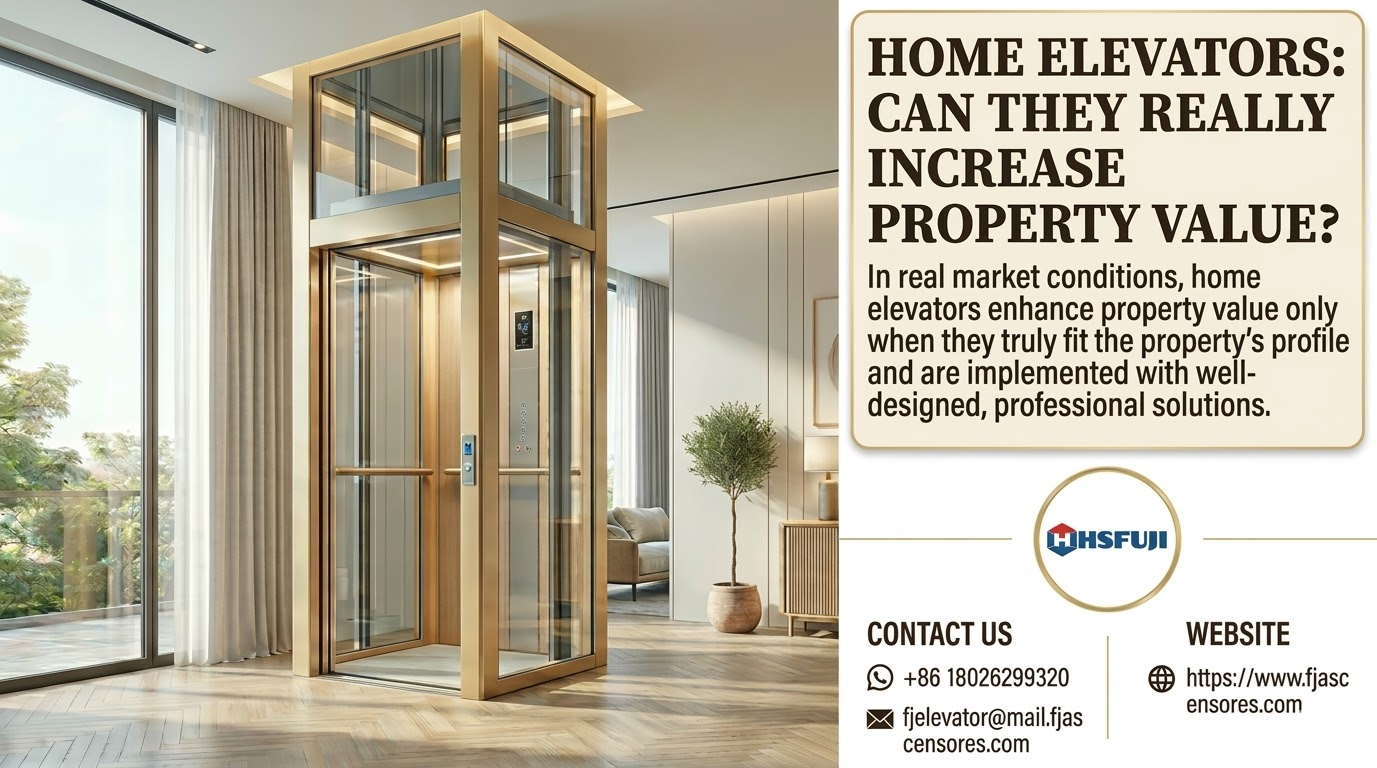
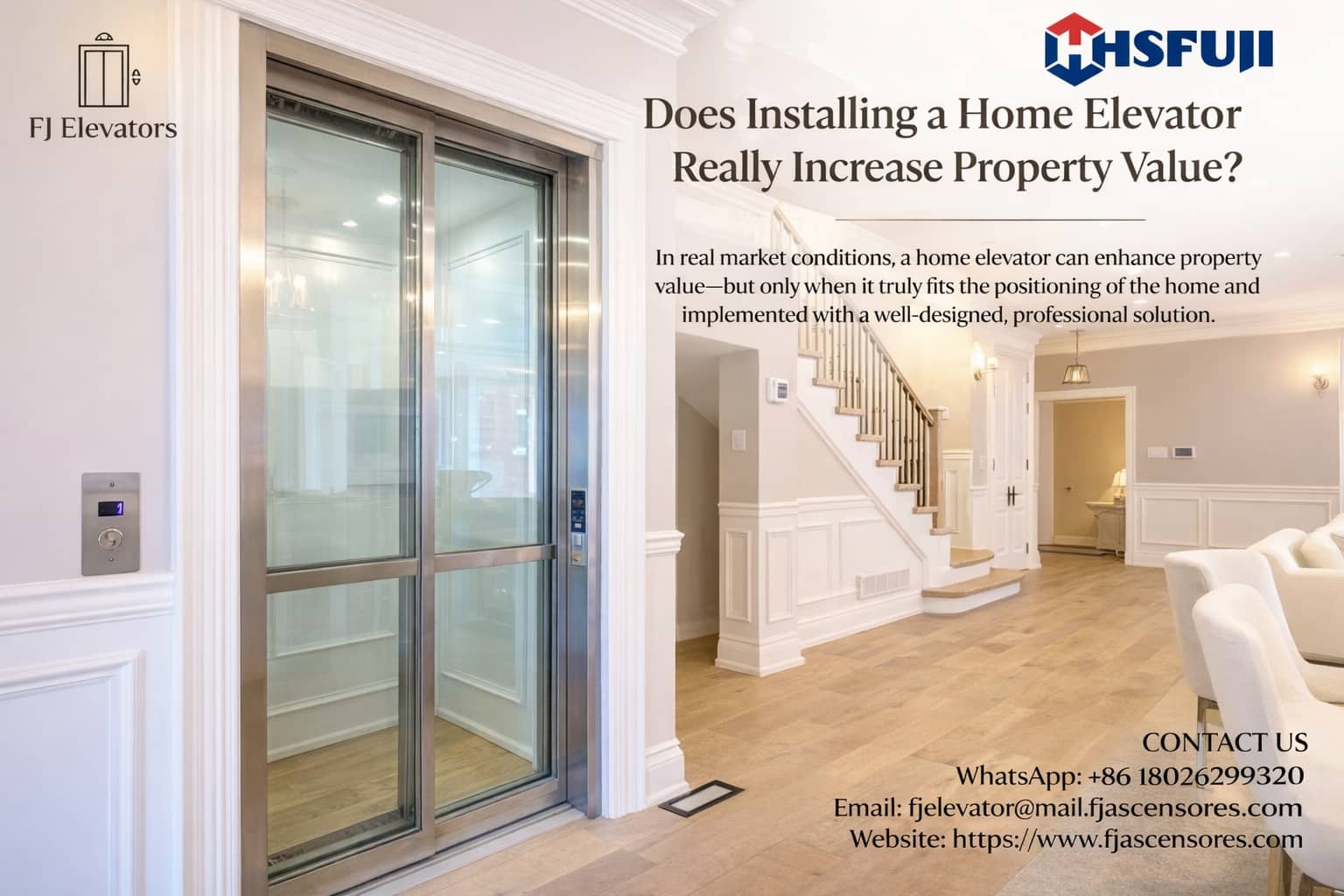
The answer is not simply “yes” or “no.” In real market conditions, a home elevator can enhance property value—but only when it truly fits the positioning of the home and is implemented with a well-designed, professional solution.
More Than Just Convenience
At first glance, an elevator simply makes moving between floors easier. But in high-end homes or multi-story villas, it represents something more—a shift in lifestyle.
For families with elderly members, children, or long-term living plans, an elevator creates a safer and more comfortable daily flow. For potential buyers, this kind of long-term livability becomes a real advantage. In many mature markets, homes with elevators are often more appealing and prioritized during the buying process.
Value Depends on the Right Fit
Not every home gains value from installing an elevator. In high-end villas or multi-level residences, an elevator is often seen as a natural feature—even an upgrade.
However, if the property is in a lower market segment, or if the elevator design does not align with the overall architecture and interior style, it may reduce visual harmony and usable space. In these cases, it may not add value—and could even affect buyer perception.
The key is not simply whether to install one, but:
Whether it fits the structure and positioning of the home
Design and Quality Define the Outcome
In real projects, different elevator solutions can lead to very different results. Some elevators become a highlight of the space, enhancing the overall quality, while others feel out of place and disrupt lighting or layout.
For example:
Does the shaft design integrate with the building?
Does the elevator match the interior style?
Is the operation smooth and quiet?
These details directly influence a buyer’s first impression. And in many cases, property value is shaped by exactly these subtle factors.
A well-planned solution—such as those offered by HSFUJI ELEVATOR—focuses not only on functionality, but also on how the elevator integrates naturally into the living space.
Buyers Care About Long-Term Usability
From a buyer’s perspective, the question is not just “Is there an elevator?” but:
Is it stable and reliable?
Is maintenance straightforward?
Are long-term costs reasonable?
If the system is complicated, difficult to maintain, or dependent on expensive components, it can become a concern rather than a benefit. A mature, transparent system designed for long-term use adds far more value than simply having an elevator installed.
Market Reality: Easier to Sell, Not Always Higher Price
In real transactions, homes with elevators often have one clear advantage:
They are more appealing to buyers and tend to sell faster
However, it’s important to stay realistic—this does not always translate into a significant price premium. More often, the value shows in:
Stronger competitiveness in the market
A wider pool of potential buyers
A shorter selling cycle
For homeowners, this is still a meaningful and practical return.
Future Value Is Decided During Planning
Many homeowners only consider installing an elevator after moving in. However, from a long-term perspective, planning for it during the design stage usually leads to better results.
Pre-reserving the shaft not only reduces costs, but also allows the elevator to integrate more naturally with the building structure. Elevators that are part of the original design are generally more accepted than those added later.
This is where working with an experienced provider like HSFUJI ELEVATOR can make a difference—ensuring the solution is aligned with both current needs and future value.
A More Realistic Conclusion
Installing a home elevator is not simply a “value-adding feature,” but a long-term investment that affects both living experience and property competitiveness.
If the solution is well-matched, thoughtfully designed, and built for long-term reliability, it can become part of the property’s value. But if it is installed purely as a selling point without proper planning, the outcome may fall short.
Making a More Informed Decision
Before making a decision, it’s important to think through three key questions:
Is the property suitable for an elevator?
Is the solution well-designed and appropriate?
Are long-term usage and costs under control?
When these answers are clear, the investment is far more likely to translate into real value.
If you are planning a villa or multi-story home, you can share your layout or basic requirements. HSFUJI ELEVATOR can help evaluate a tailored solution and provide a clear, practical budget range—so every decision is more transparent and aligned with your long-term goals.
 How to Choose the Most Cost-Effective Home Elevator?